
Shrinkage control
Loss Control & Retail Loss Prevention
Shrinkage rarely comes from one big theft. It builds up from shoplifting, staff theft, receiving errors and weak cash controls until the margin is gone. Our loss control service combines trained officers, store detectives and practical procedure checks to find where stock and money are leaking and to close those gaps.
- Store detectives available
- Internal theft controls
- Receiving and exit checks
- Written loss findings
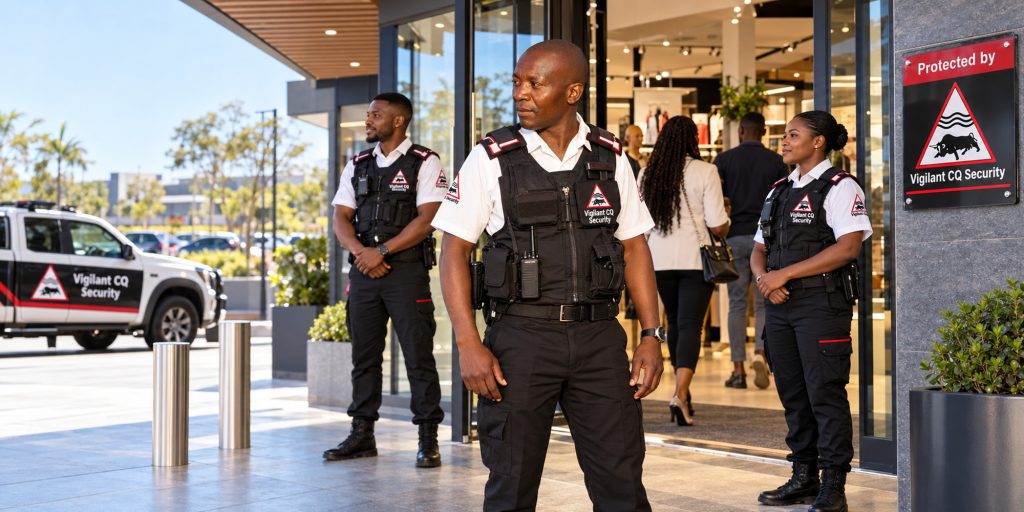
Where your stock is really going
Before deploying anyone, it helps to know what kind of loss you are dealing with. In retail, wholesale and distribution, shrinkage usually comes from a mix of:
- External theft, from opportunistic shoplifters to organised groups targeting high-value lines.
- Internal theft, such as sweethearting at tills, goods hidden in refuse or staff bags, and fraudulent refunds.
- Supplier and delivery losses, where short deliveries are signed for or goods leave on the wrong vehicle.
- Administrative errors, including incorrect stock counts and pricing mistakes that hide real losses.
Our first job is to help you separate these so effort goes where it counts.
Loss control officers and store detectives
Depending on the site, we deploy a combination of uniformed and plain-clothes personnel.
Uniformed loss control officers
Positioned at entrances, exits, receiving bays and staff gates to conduct agreed bag and parcel checks, check goods against invoices, and act as a visible deterrent.
Store detectives
Plain-clothes officers who move through the store, watch high-risk areas and alert uniformed staff or management when theft is in progress. For longer-term observation of suspected internal theft, see our undercover security service.
All officers are PSIRA-registered and screened. They are briefed on your search policy, how to handle suspects respectfully and when to involve SAPS. Any detention is limited to what the law allows for a citizen's arrest.
Controls that stop losses at the source
Officers on the floor catch theft; good procedures prevent it. As part of a loss control assignment we review how your site handles the moments where stock and cash change hands, and recommend practical fixes such as:
- receiving procedures that check counts and seals before signatures;
- separating staff entrances from goods exits and controlling refuse removal;
- staff bag and locker rules applied consistently at shift change;
- till, refund and void controls that management actually reviews;
- positioning of high-value stock and CCTV coverage of key points, alongside our CCTV services.
We keep recommendations proportionate to your business, so they are followed rather than ignored after a month.
Reporting and measuring results
Loss control should show up in your numbers. Our officers keep incident logs, and supervisors summarise trends: when incidents happen, which lines are targeted and where procedures were bypassed. We review these with you regularly and compare them with your own stock-count and shrinkage figures.
When an incident involves a staff member, we provide factual statements to support your internal process; the disciplinary decision remains yours. Where the evidence points to a wider problem, our investigations team can take the matter further.
Contracts may be ongoing or for a defined period, such as the festive season, stock-take or a new store opening, and are confirmed after assessment.
Options & specifications
| Personnel | Uniformed loss control officers and plain-clothes store detectives |
|---|---|
| Coverage points | Entrances, exits, tills, receiving bays, staff gates |
| Search procedures | Applied per your written policy, agreed before deployment |
| Procedure review | Receiving, refuse, staff access, refunds and voids |
| Reporting | Incident logs and regular trend summaries |
| Contract | Ongoing, seasonal or project-based; confirmed on assessment |
Options, materials and turnaround are confirmed on your written quote.
How ordering works
- 1
Loss review
We look at your shrinkage figures, layout and current controls.
- 2
Control plan
We propose personnel, coverage points and procedure changes.
- 3
Deployment
Briefed officers and detectives start on agreed shifts.
- 4
Review and adjust
Trend reports are compared with your stock results and the plan refined.
Frequently asked questions
What is the difference between a loss control officer and a guard?
A general guard focuses on access, patrols and safety. A loss control officer is trained and briefed specifically on theft prevention: search procedures, checking goods against documents and watching for the signs of shoplifting and staff theft.
Can your officers search staff bags?
Only in line with a search policy you have put in place and staff have been made aware of, usually through contracts or site rules. Searches must be respectful and consistent. We help you set this up before deployment.
Do you only work in shops?
No. Loss control is equally useful in warehouses, distribution centres, wholesalers and factories where goods move in and out. See our industrial and warehouse security page for related services.
Can you help over the festive season only?
Yes. Seasonal or short-term deployments are common for peak trading, stock-takes and store openings. Book early so officers can be briefed and screened in time.
Request a quote for Loss Control & Retail Loss Prevention
Related services
 Undercover Guards & Covert SecurityPlain-clothes officers who observe discreetly, document what they see and help you act on facts.View
 Shopping Centre & Retail SecurityVisible, approachable guarding for malls and shopping centres, plus parking, tenant and loss prevention support.View
 Industrial & Warehouse SecurityGate and vehicle control, perimeter patrols and loss control for factories, warehouses and yards.View
 CCTV Installation & MonitoringCamera systems planned around your risks, with clear recording, remote viewing and links to guards and armed response.View
Shrinkage eating into your margins? Ask us for a loss control assessment.
Send your brief, quantities and deadline. We reply with a clear written quote and confirm the turnaround before anything goes to production.