
Covert security
Undercover Guards & Covert Security
Some problems stop the moment a uniform walks in, then start again the day it leaves. Our plain-clothes officers blend into your store, warehouse or workplace to observe what is really happening, gather lawful evidence and help you act on facts instead of suspicion.
- PSIRA-registered officers
- Plain-clothes, discreet deployment
- Written observation reports
- Lawful, ethical methods
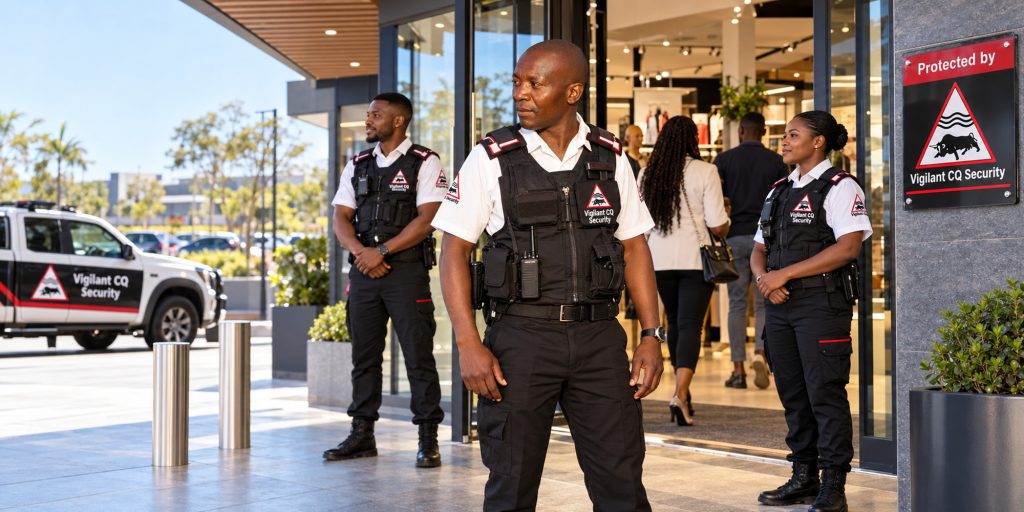
When a visible guard is not enough
Uniformed officers deter crime, but they also tell everyone where security is looking. When stock keeps disappearing from one aisle, cash-ups never quite balance, or a supervisor suspects that goods are leaving through the back door, a plain-clothes officer can see what a uniform never will.
Clients typically call us for covert security when:
- shrinkage continues despite CCTV and a guard at the door;
- there are signs of collusion between staff, drivers or contractors;
- shoplifting groups are working the store at predictable times;
- management needs an independent view of procedures on the floor;
- a complaint of misconduct needs to be observed before it is acted on.
Covert work often sits alongside loss control and, where a matter needs formal follow-up, our private investigations team.
What our plain-clothes officers do
An undercover officer is placed in a role that fits naturally into your environment: a shopper in a retail store, a casual worker in a warehouse, or a visitor in a public area. Their job is to watch, note and report, not to cause a scene.
Typical duties
- Observing customer and staff behaviour around high-risk stock, tills and exits.
- Recording times, places and descriptions in a factual daily log.
- Flagging procedural gaps, such as unchecked deliveries or bypassed bag searches.
- Alerting the duty manager or uniformed team discreetly when an incident is in progress.
- Preparing a written statement where an incident is reported to SAPS.
The level of intervention is agreed with you beforehand. In most deployments the officer observes and calls in uniformed support rather than acting alone.
Lawful and ethical by design
Covert security only helps you if the evidence it produces can be used and your business stays on the right side of the law. Every deployment is planned within South African law, including the Protection of Personal Information Act and labour-law requirements that apply when employees are involved.
- Officers observe in areas where people have no reasonable expectation of privacy; we do not watch bathrooms, change rooms or private homes.
- We do not intercept calls or messages, access devices or install hidden tracking on people.
- Any detention is limited to a lawful citizen's arrest in the circumstances the law allows, followed by an immediate handover to SAPS.
- Findings are reported to the named client contact only and kept confidential.
Where staff discipline may follow, we recommend you involve your HR or labour-law advisor early so the process is fair.
How we plan a covert deployment
Good covert work starts with a short, confidential briefing with the owner or a senior manager, ideally away from the site. We want to understand the losses, the suspected patterns, who knows about the operation and what outcome you need: deterrence, evidence, or simply a clear picture.
From there we propose the officer profile, cover role, hours and duration, and agree how and to whom the officer reports. Deployments may run for a few days to test a theory, or longer where patterns take time to show. Duration and shifts are confirmed per site after assessment.
Officers are PSIRA-registered, screened before deployment and supervised by our management, who check in with you without compromising the officer's cover. If a covert phase shows the need for permanent visible security, we can transition to static security officers.
Reporting you can act on
You receive factual written reports rather than impressions. A report usually includes dates and times, locations, descriptions of what was observed, any procedural weaknesses noticed and practical recommendations. Urgent matters are raised by phone to your nominated contact the same day.
At the end of the deployment we meet to go through the findings and agree next steps, which might include changing procedures, adjusting CCTV coverage, a formal investigation or a disciplinary process run by you.
Options & specifications
| Deployment type | Plain-clothes officer in a cover role suited to the site |
|---|---|
| Typical sites | Retail stores, warehouses, distribution centres, offices, public venues |
| Duration | Short test deployments or ongoing; confirmed on assessment |
| Hours | Matched to trading hours or suspected risk periods |
| Reporting | Daily or end-of-deployment written reports, urgent issues by phone |
| Support | Uniformed back-up or SAPS handover as agreed in the plan |
| Confidentiality | Briefings with a nominated client contact only |
Options, materials and turnaround are confirmed on your written quote.
How ordering works
- 1
Confidential briefing
We meet a senior contact privately to understand the losses or concerns.
- 2
Covert plan
We propose the officer profile, cover role, hours and reporting line.
- 3
Discreet deployment
A screened, PSIRA-registered officer starts observing without announcing it.
- 4
Findings and next steps
You receive written reports and we agree practical follow-up actions.
Frequently asked questions
Will my staff know there is an undercover officer?
Only the people you choose. We usually recommend that just the owner or one senior manager knows, because the more people are told, the more likely the operation is to leak and the patterns to change.
Can an undercover guard arrest someone?
Our officers have no special arrest powers. Where the law allows, they may make a citizen's arrest and hand the person to SAPS immediately. In most deployments they observe and call in uniformed support or management rather than acting alone.
Is covert observation of employees legal?
Observing behaviour in work areas where there is no reasonable expectation of privacy is generally permissible, but it must be done fairly and for a legitimate purpose. We plan within POPIA and recommend you involve your HR or labour advisor before acting on findings.
How long should an undercover deployment run?
It depends on how often the problem occurs. Frequent losses may show a pattern within days, while occasional incidents need longer. We recommend a duration after the briefing and review it with you as reports come in.
Can you work with our CCTV?
Yes. Officer observations and camera footage support each other well. We may suggest camera positions or reviewing footage at specific times identified in the reports.
Request a quote for Undercover Guards & Covert Security
Related services
 Loss Control & Retail Loss PreventionStore detectives, loss control officers and procedure checks that help cut shrinkage and internal theft.View
 Private InvestigationsDiscreet, lawful investigations into fraud, theft and workplace misconduct, with evidence prepared for employers and attorneys.View
 Shopping Centre & Retail SecurityVisible, approachable guarding for malls and shopping centres, plus parking, tenant and loss prevention support.View
- Background Checks & Employee ScreeningConsent-based checks of ID, qualifications, references and criminal records for employers, landlords and individuals.View
Suspect losses you cannot explain? Book a confidential covert security briefing.
Send your brief, quantities and deadline. We reply with a clear written quote and confirm the turnaround before anything goes to production.